

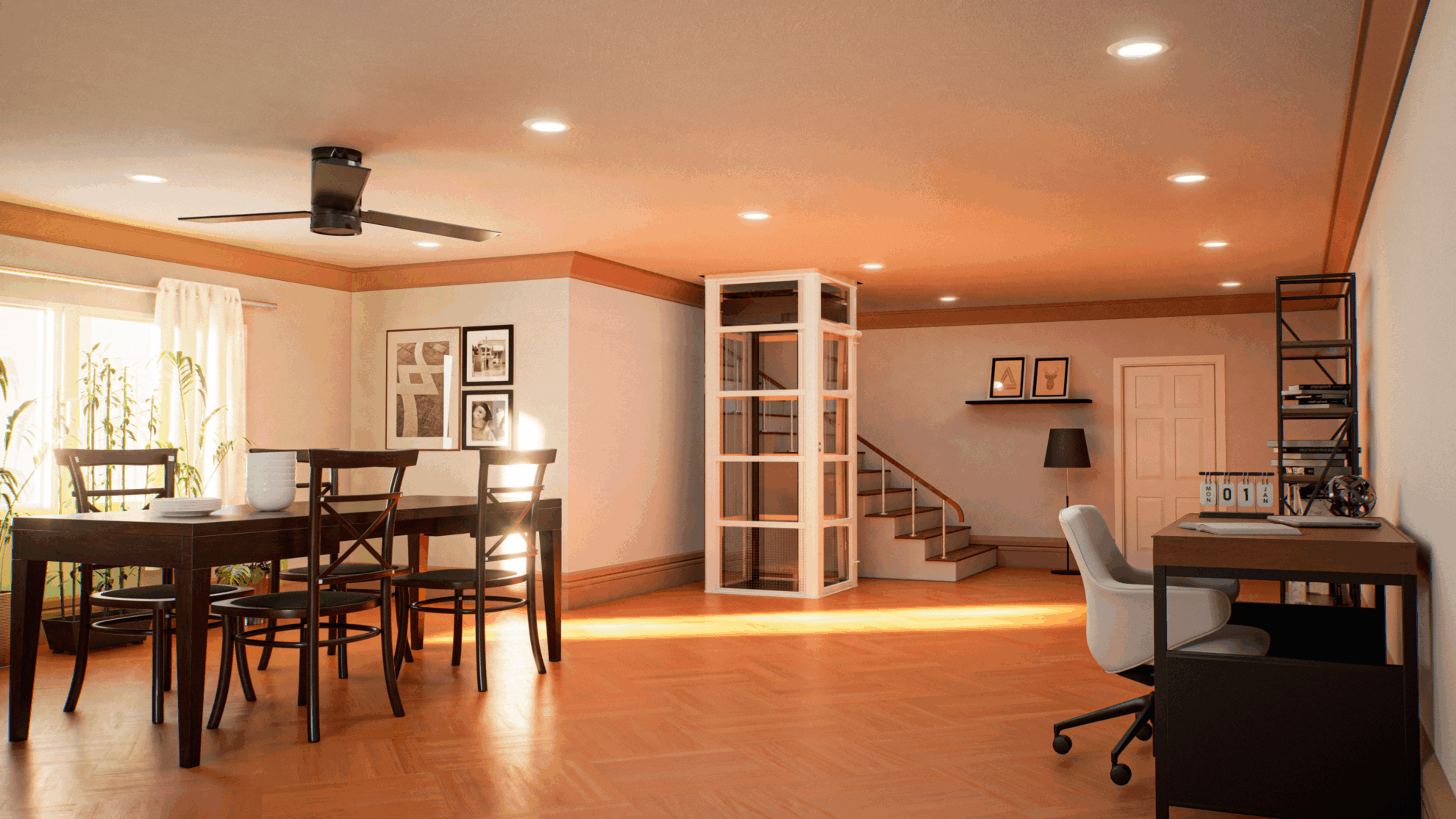
A home elevator is a long-term investment in comfort, mobility, and everyday access. Like any mechanical system in the home, it needs regular care to keep moving safely and smoothly between floors.
Preventive maintenance helps homeowners catch small issues before they turn into larger, more expensive repairs. Simple monthly checks, routine cleaning, and professional inspections can help extend the life of a residential elevator and support reliable operation.
In this guide, we’ll cover practical home elevator maintenance tips, what homeowners can safely check on their own, when to schedule a home elevator maintenance service, and which warning signs should not be ignored.
Quick Answer: How Do You Maintain a Home Elevator?
To maintain a home elevator, keep the elevator cab and door areas clean, listen for unusual noises, check that doors close properly, and schedule routine inspections with a qualified technician. Homeowners can handle basic visual checks, but technical work involving brakes, wiring, controls, motors, safety features, or other key components should be handled by a professional.
Home Elevator Maintenance Checklist
| Maintenance Task | How Often | Who Should Do It |
| Check doors open and close properly | Monthly | Homeowner |
| Listen for unusual noise | Monthly | Homeowner |
| Keep elevator cab and entry area clean | Monthly | Homeowner |
| Check for burned out lights or error codes | Monthly | Homeowner |
| Inspect door interlocks and safety features | During service visit | Technician |
| Review brakes, wiring, controls, and key components | During service visit | Technician |
| Schedule regular inspections | At least once a year | Technician |
| Review maintenance agreement or service plan | As needed | Homeowner + elevator company |
Why Home Elevator Maintenance Is Essential
Routine maintenance is one of the simplest ways to protect your home elevator and keep it in good working condition. Unlike emergency repairs, which can be stressful and expensive, preventive maintenance helps identify minor issues before they turn into costly repairs.
Proper maintenance can also support safer daily operation. A technician can inspect key components, check safety features, and make sure the elevator is responding the way it should.
Here’s why regular maintenance is essential:
- Supports safer operation: Worn parts, door issues, or electrical problems can create safety concerns if they are ignored.
- Supports reliable operation: A well-maintained elevator is less likely to stop unexpectedly or develop problems during daily operation.
- Extends long-term performance: Routine inspections help reduce unnecessary wear on moving parts and major components.
- Helps prevent costly repairs: Addressing small issues early can reduce the chance of more serious elevator repairs later.
- Protects your investment: A home elevator is part of your home’s long-term value, so it should be maintained like any other important system.
At Cube Lifts, we recommend pairing simple monthly checks with regular service from a qualified technician. This helps keep your elevator running smoothly and gives homeowners a better understanding of when professional maintenance is needed.
Key Takeaways for Home Elevator Maintenance
- Schedule regular inspections at least once a year, or more often if the elevator is used heavily.
- Keep the elevator cab, door area, and tracks clean so doors can close properly.
- Listen for unusual noise, rough movement, slow stops, or anything that feels different during daily operation.
- Never tamper with door interlocks, safety features, wiring, brakes, or other major components.
- Keep a simple maintenance log so your elevator maintenance company can spot recurring issues during a service visit.
Monthly Checks Homeowners Can Perform
A licensed elevator technician should handle technical maintenance, but most homeowners can do a few simple checks each month. These checks can help you spot minor issues early and keep your elevator running smoothly between regular inspections.
1. Do a Visual Inspection
Look for anything that seems loose, worn, dirty, or out of place. Pay attention to:
- Loose or worn buttons
- Dirty or sticky door tracks
- Scratches, dents, or unusual wear inside the elevator cab
- Burned out lights
- Any signs that the elevator was bumped, overloaded, or used beyond its weight limits
2. Listen for Unusual Noise
A home elevator should move in a steady, predictable way. If you hear grinding, squeaking, buzzing, or any unusual noise that was not there before, make a note of it and contact a service professional.
You should also pay attention to sudden changes in speed, rough stops, or movement that feels different from normal daily operation.
3. Keep the Elevator Area Clean
Dust and debris can build up around the elevator entrance, door threshold, and tracks. Keeping these key areas clean can help prevent small issues from affecting performance.
Homeowners can:
- Dust around the elevator door threshold
- Wipe control panels gently with a dry cloth
- Keep the area around the elevator clear
- Make sure no debris is lodged in tracks or entry points
4. Check Door Functionality
Doors should open and close properly without sticking, dragging, or hesitating. If the elevator doors do not close properly, do not force them.
Also check that the elevator levels evenly with each floor. If the cab stops too high or too low, schedule a service visit before the issue gets worse.
What Homeowners Should Not Try to Fix Themselves
Basic cleaning and visual checks are helpful, but a home elevator is still a mechanical system with electrical parts, safety features, and moving components. Homeowners should not try to repair or adjust major components on their own.
Call a qualified technician if you notice problems with:
- Brakes or emergency systems
- Door interlocks
- Control panels or wiring
- The circuit breaker or separate branch circuit
- Drive systems, rail systems, or pulley systems
- Elevator cab leveling
- Any issue that affects safety or reliable operation
Trying to fix these areas without proper training can create bigger problems and may affect safety. If something feels unusual, stop using the elevator and schedule a service visit before the issue gets worse.
Seasonal and Annual Professional Maintenance
In addition to routine DIY checks, it’s important to schedule a professional maintenance In addition to routine DIY checks, schedule a professional maintenance appointment at least once a year. If the elevator is used often, a second service visit may be recommended.
During a home elevator maintenance service, a certified technician can inspect key components, test safety features, and look for minor issues before they turn into necessary repairs or costly repairs.
A technician may inspect:
- Drive system or motor, depending on the elevator type
- Cables and pulleys, if the elevator uses them
- Hydraulic fluid levels for hydraulic elevators
- Control panels and wiring
- Brakes and emergency systems
- Door interlocks and other safety features
- Rail system or guide components
- Emergency phone, if included with the model
- Machine room or equipment area, if the system has one
At Cube Lifts, maintenance recommendations should be based on your elevator model, usage, and installation requirements. Regular inspections help support reliable operation, long-term performance, and local code compliance.
Environmental Factors That Affect Elevator Longevity
Even if your elevator seems to be working fine, your home’s environment can play a role in long-term wear. Moisture, dust, debris, and temperature changes can affect key components over time, which is why routine maintenance should include a quick look at the area around the elevator.
- Humidity & Moisture: Excess moisture can cause rust, corrosion, or problems with electrical components. Keep elevator areas well-ventilated and dry, especially near equipment spaces or any area where moisture tends to collect.
- Dust & Debris: Regular cleaning around the elevator space can prevent buildup that may affect tracks, sensors, thresholds, or door movement. Keeping these areas clear also helps the doors close properly.
- Temperature Swings: Extreme hot or cold conditions may affect lubrication, wiring, and electronic systems. When possible, keep the elevator in a climate-stable space and report any unusual noise or performance changes after major temperature shifts.
Protecting your home elevator from environmental stressors can support reliable operation, reduce maintenance costs, and help keep the system in tip top shape for longer.
Signs Your Elevator Needs Immediate Attention
Some home elevator issues should not wait until the next routine maintenance appointment. If something feels different, sounds unusual, or affects safety, stop using the elevator and call a professional.
Contact a qualified technician if you notice:
- Jerky or inconsistent movement
- Longer wait times or slow floor transitions
- The elevator cab not leveling properly with the floor
- Doors that do not close properly
- Grinding, squeaking, buzzing, or any unusual noise
- Burning smells, flickering lights, or burned out lights
- Frequent system resets or error codes
- Tripped circuit breaker issues
- Problems with emergency controls, door interlocks, or other safety features
Catching these warning signs early can help prevent costly repairs and protect the reliable operation of your home elevator. It also gives a technician time to identify necessary repairs before a small issue becomes a larger safety concern.
Keep a Simple Maintenance Log
A maintenance log can help homeowners track small issues before they become larger repairs. Write down the date, what you noticed, how often it happened, and whether the elevator was serviced afterward. This simple habit supports proper maintenance and gives your technician a clearer service history.
Useful things to record include unusual noise, doors that do not close properly, burned out lights, error codes, slow floor transitions, or any issue that may affect safety. During a service visit, this record gives the technician a clearer picture of how the system has been performing between regular inspections.
Choosing the Right Maintenance Partner
Not every elevator maintenance company will have experience with your specific model. Before scheduling regular maintenance, look for an elevator company that understands your elevator type, service history, local regulations, and manufacturer guidelines.
A good maintenance partner should be able to explain what is included in each service visit, how often your elevator should be serviced, and which repairs may be needed now versus later. They should also give clear expert advice without pushing unnecessary repairs.
When comparing home elevator maintenance service options, look for:
- Experience with your elevator type and specific model
- Certified technicians
- Clear maintenance costs and service pricing
- Maintenance agreement options, if available
- Knowledge of local regulations and inspection requirements
- Regular service reminders
- Emergency support policies
- Clear communication about potential issues and necessary repairs
Choosing the right service partner helps protect your investment and keeps your elevator running smoothly over time. It also gives most homeowners a clearer plan for regular service, repairs, and long-term maintenance.
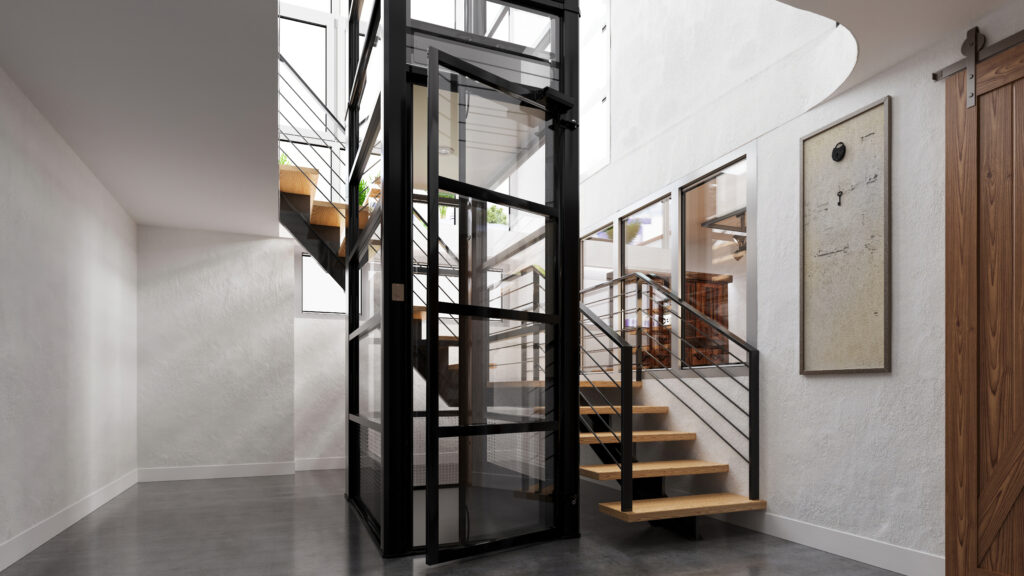
Final Thoughts: Small Steps, Big Savings
Preventive maintenance does more than extend the life of your elevator. It helps protect your investment, reduce maintenance costs, improve safety, and support reliable operation during daily use.
By combining simple monthly checks with routine inspections and regular service, homeowners can keep a home elevator in better condition for years to come. The goal is not to fix every issue yourself, but to notice minor issues early and schedule expert service before they become costly repairs.
Even after your elevator is installed, it still needs regular care to perform as expected. Keeping your elevator serviced helps reduce wear, catch problems early, and keep the system running smoothly.
Need help keeping your elevator in tip top shape? Contact Cube Lifts today to schedule a service visit or ask about a home elevator maintenance service plan.
Frequently Asked Questions About Home Elevator Maintenance
How often should I schedule home elevator maintenance?
Most homeowners should schedule a professional home elevator maintenance service at least once a year. If the elevator is used heavily, regular service twice a year may be a better fit. Your elevator company can recommend a schedule based on the elevator type, usage, location, and specific model.Regular maintenance can also help extend the lifespan of a home elevator by reducing wear on moving parts and catching small issues early.
Can I do any elevator maintenance myself?
Yes, homeowners can handle basic visual checks, cleaning, and listening for unusual noise. You can also make sure doors close properly and keep the area around the elevator cab clear. Technical work involving wiring, brakes, door interlocks, circuit breakers, or other key components should always be handled by a qualified technician.
What are signs my home elevator needs service?
Call a professional if you notice jerky movement, slow floor transitions, burned out lights, unusual noise, doors that do not close properly, error codes, or issues with safety features. Addressing small issues early can help prevent costly repairs.
Is elevator maintenance expensive?
Maintenance costs vary based on the elevator type, model, location, and service needs. Preventive maintenance is usually less expensive than emergency repairs because it helps catch minor issues before they become necessary repairs.
What is included in a home elevator maintenance service?
A service visit may include checking the elevator cab, controls, door interlocks, safety features, moving parts, rail system, emergency phone, wiring, and other major components. The exact checklist depends on the elevator type and manufacturer guidelines.
What if my elevator is still under warranty?
Even if your elevator is under warranty, proper maintenance is still essential. Skipping regular inspections or failing to follow the manufacturer’s maintenance guidelines could affect coverage.