
Choosing the Right Home Elevator
Choosing between pneumatic home elevators and traditional home elevators often comes down to space, installation needs, design preferences, and how the elevator will be used day to day. Both options can support safer movement between floors, but they work in very different ways.
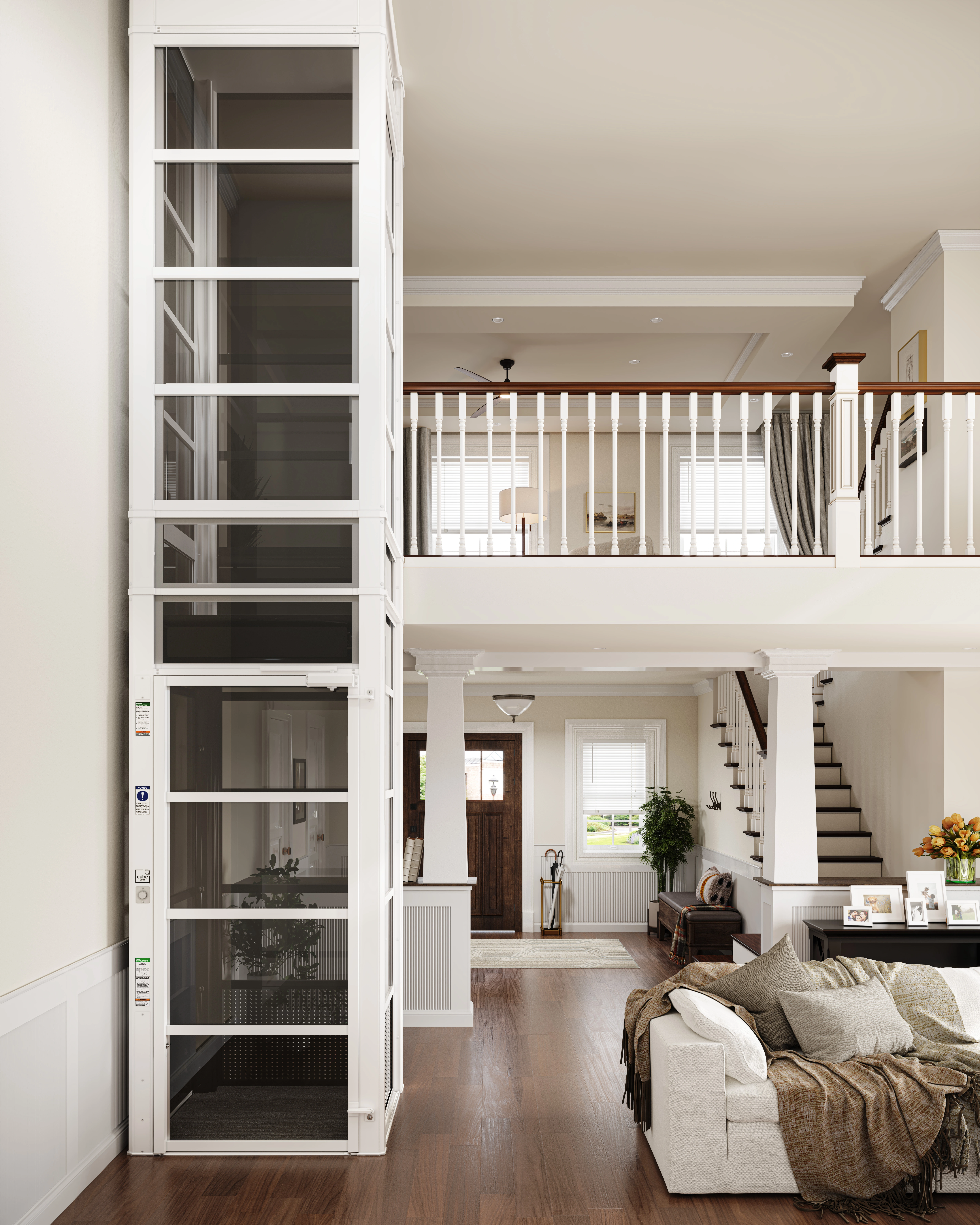
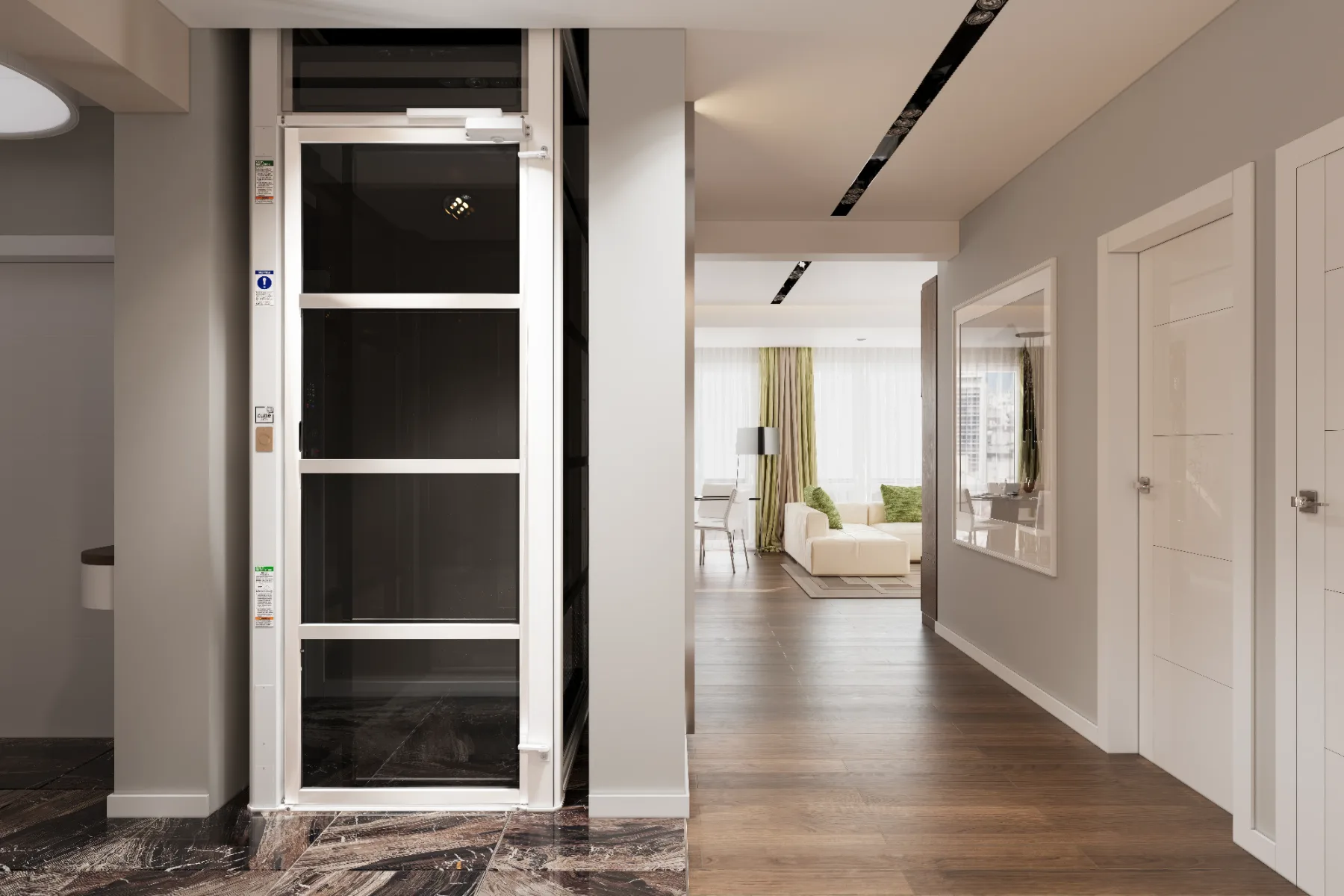
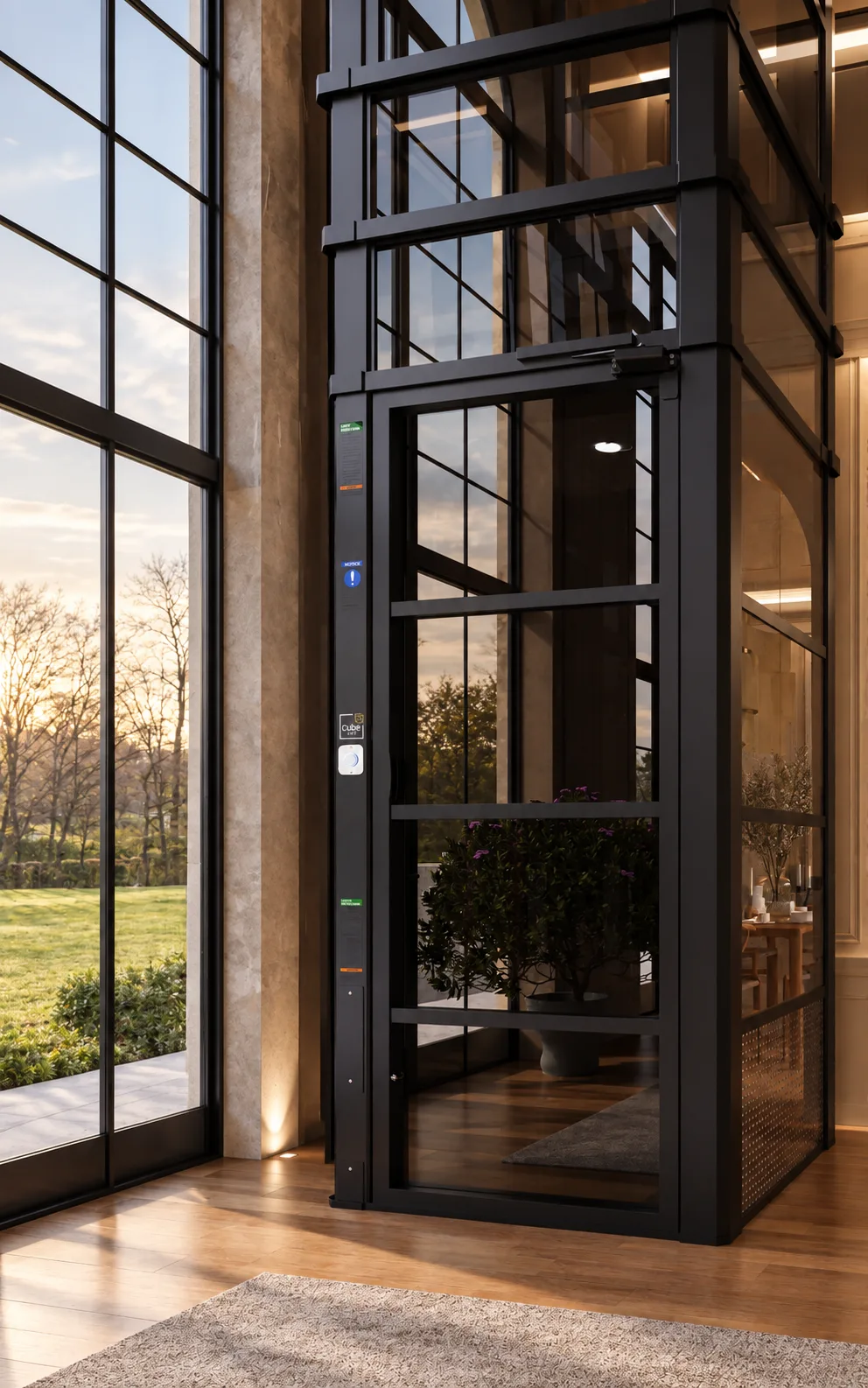
Cube pneumatic elevators use air pressure and vacuum technology to move the elevator car, offering a compact, self-supporting option for residential use. Because they do not require a pit, separate machine room, or extensive construction work, they can be an attractive alternative for homeowners who want a modern home elevator with minimal construction required.
Traditional elevators, on the other hand, may use hydraulic systems, cables, or traction equipment. These systems can be a better fit for larger cabins, higher capacity needs, or homes that require specific accessibility features, such as a wheelchair accessible elevator.
In this guide, we’ll compare Cube pneumatic elevators and traditional home elevators by looking at installation, space requirements, maintenance, safety features, energy efficiency, design, and long-term value.
Quick Answer: Cube Pneumatic Elevators vs. Traditional Home Elevators
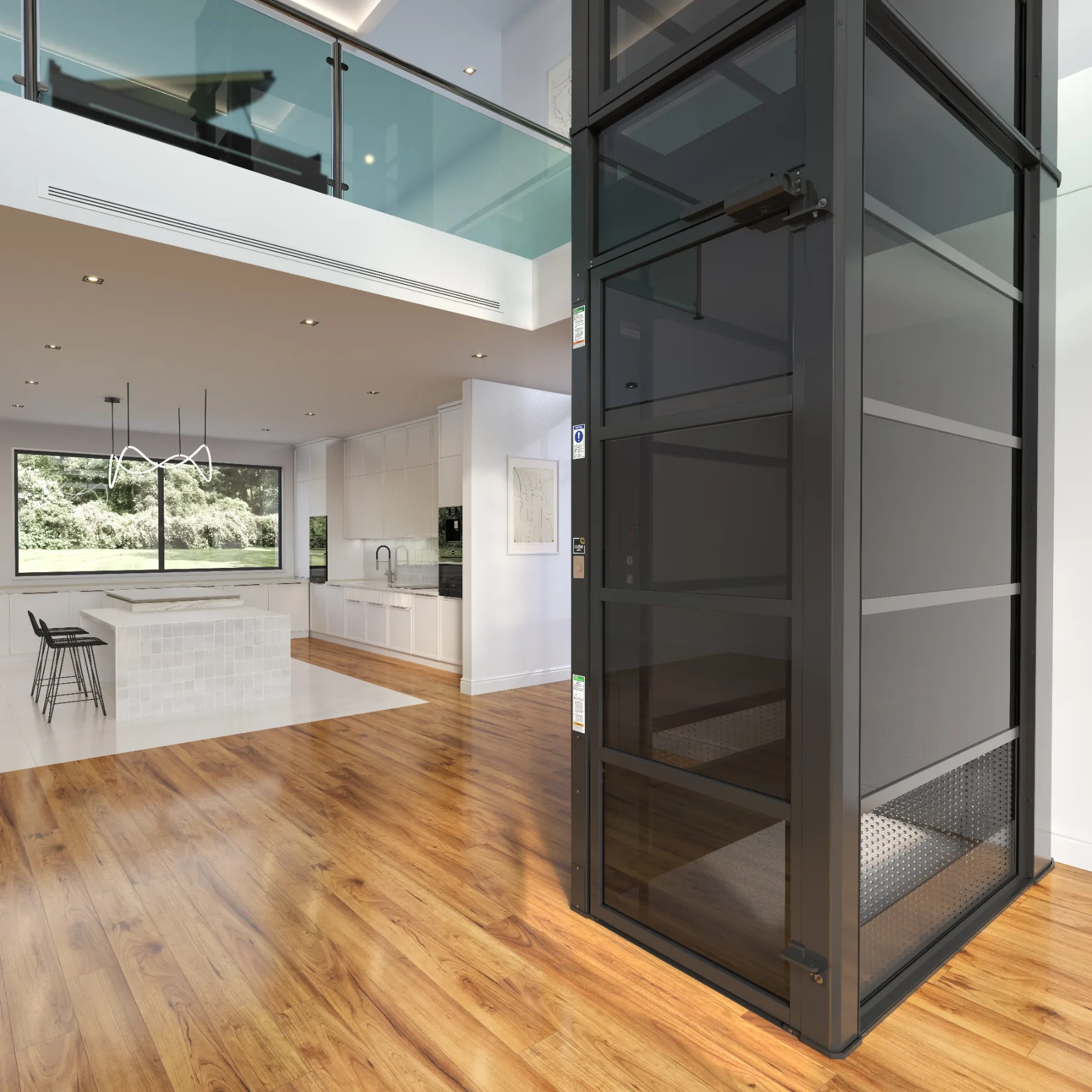
Cube pneumatic elevators are compact, air driven residential elevators that use vacuum pressure to move between floors. They are often a strong fit for homeowners who want a space-saving elevator with minimal home modifications, low maintenance, and a sleek design.
Traditional home elevators may require more construction, a shaft, pit, or machine room, but they can offer larger cabins, higher capacity, or more accessibility options depending on the system.
Cube Pneumatic Elevators vs. Traditional Home Elevators at a Glance
Feature | Cube Pneumatic Elevators | Traditional Home Elevators |
How it works | Uses air pressure and vacuum technology to move the elevator car between floors | Uses hydraulic systems, traditional cables, pulleys, or traction equipment |
Installation process | Often supports easy installation with minimal construction required | Usually requires more construction work and site preparation |
Space needs | Has a compact footprint and can work well in homes with limited space | May require more floor space, a shaft, pit, or machine room |
Machine room | Does not require a separate machine room | May require a machine room, depending on the system |
Energy use | Designed to be energy efficient, using power mainly during ascent | May consume power during ascent and descent, depending on the elevator type |
Maintenance | Typically low maintenance because it has fewer traditional moving parts | May require more service for mechanical brakes, cables, hydraulics, or other parts |
Design | Offers a sleek design that can feel modern and aesthetically pleasing in the home interior | Offers more traditional cabin design options and custom finishes |
Best fit | A strong space saving solution for modern homes, retrofits, and projects with minimal home modifications | Better for larger elevator cars, high capacity, or certain wheelchair accessible needs |
Accessibility | Can improve movement between floors, but model specs should be reviewed carefully | May be better for a wheelchair accessible layout, depending on cab size and elevator standards |
Construction impact | Requires less construction work than many traditional options | May involve higher construction costs and more extensive home modifications |
What Are Cube Pneumatic Elevators?
Cube pneumatic elevators, also referred to as vacuum elevators, use air pressure dynamics to move between floors.
Instead of relying on cables, counterweights, or hydraulic fluid, these elevators operate using vacuum chamber sealing and a suction lift technology that pulls the cabin upwards.
One of their most appealing features is that they are self-supporting, meaning they don’t require a shaft, pit, or machine room.
This makes them an excellent space-saving home lift for houses with limited square footage or for retrofitting into an existing structure.
Key Features of Cube Pneumatic Elevators:
- Operate using air pressure and vacuum technology
- Require no traditional cables, counterweights, or pulleys
- Can be installed in small homes or tight spaces
- Support a compact footprint for residential use
- Require no pit or separate machine room
- Use energy mainly during ascent, which can support better energy efficiency compared with some traditional systems
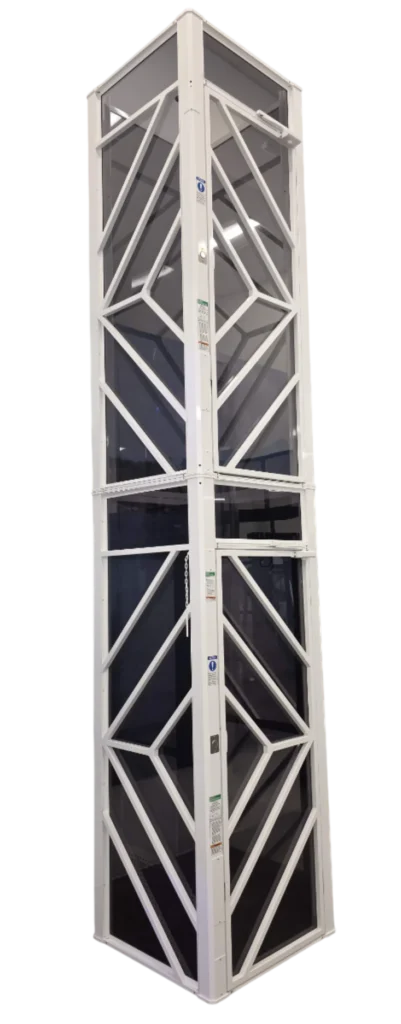
- Offer a sleek, modern design that can integrate into many home interiors
What Are Traditional Home Elevators?
A traditional home elevator uses mechanical movement, such as hydraulic pistons, traction cables, or pulleys, to lift and lower the elevator car.
These elevators have been used in homes for decades. They are often found in larger homes, luxury properties, or multi-floor buildings where the homeowner wants a more conventional elevator system. In the broader elevator industry, traditional systems are still common because they can support different cab sizes, layouts, and capacity needs.
Traditional elevators usually need dedicated installation space. Depending on the system, that may include a shaft, pit, and separate machine room. This can make them less flexible than a pneumatic residential elevator, especially in homes with limited space or when the goal is minimal construction required.
However, traditional home elevators can offer higher weight capacities, larger cab sizes, and more customization options. They may also be the better fit for homeowners who need a wheelchair accessible elevator or a three passenger cab, depending on the model and local elevator standards.
Key Features of Traditional Home Elevators:
- Use mechanical lifting systems, such as hydraulic, cable, or traction systems
- May require a shaft, pit, and machine room
- Often support higher load capacities than pneumatic models
- Can offer larger elevator car sizes and more custom home interior options
- Require regular maintenance on mechanical brakes, cables, hydraulic parts, or other moving components
- May be better suited for wheelchair accessible needs, depending on cab size and specifications
How Do Cube Pneumatic and Traditional Elevators Work?
Cube Pneumatic Elevators – Air Pressure Mechanism
Cube pneumatic elevators work using an air pressure mechanism. A vacuum pump located at the top of the tube removes air from above the cabin, creating a low-pressure area that helps lift the elevator car upward.
Descent occurs when air is gradually reintroduced, allowing a controlled pressure release to lower the cabin smoothly between floors.
Because they do not rely on traditional cables, pulleys, counterweights, or hydraulic systems, Cube pneumatic elevators may be easier to install and maintain than many traditional home elevators. This can make a tube elevator a practical option for homeowners who want minimal construction required, fewer moving parts, and a compact residential elevator for limited space.
Traditional Elevators – Cable, Hydraulic, and Traction Systems
Traditional elevators rely on mechanical lifting systems. These are common throughout the elevator industry and can vary depending on the home, building layout, and capacity needs.
- Hydraulic elevators: Use hydraulic pistons to push the elevator car upward using fluid pressure. These systems may require a dedicated pit and machine room.
- Cable-driven elevators: Operate with steel cables wrapped around a pulley system, often using counterweights to reduce energy use.
- Traction elevators: Use geared motors and counterweights to control movement. They are more common in commercial buildings, but may also be used in larger multi-floor homes.
Traditional home elevators can be a strong fit when homeowners need larger cab sizes, higher weight capacity, or certain accessibility features. However, they may require more planning, more construction, and more ongoing maintenance than a pneumatic residential elevator.
Key Differences Between Cube Pneumatic and Traditional Elevators
Installation & Space Requirements
One of the biggest factors homeowners consider when choosing an elevator is the installation process and how much space the system will need.
Cube pneumatic elevators offer a quick and easy installation process, often taking just two to three days depending on the home layout, site preparation, and local requirements.
Since they do not require a pit, separate machine room, or extensive structural modifications, they can be an excellent choice for small spaces, older homes, or retrofit projects where minimal construction required is a priority.
Their compact footprint also helps preserve usable floor space, which can matter a lot in existing homes, townhomes, or modern homes where every square foot counts.
In contrast, traditional home elevators often require more construction work, which can take weeks or months to complete.
They may need a dedicated hoistway, pit, or machine room, meaning homeowners may have to sacrifice floor space or make larger structural modifications to accommodate the elevator.
Cost Breakdown: Upfront & Long-Term Maintenance
When comparing elevator construction costs, there are two main factors to consider: upfront purchase and installation costs, and long-term maintenance expenses.
- Cube pneumatic elevators may have a higher upfront cost, but they often have lower long-term maintenance needs because they do not rely on traditional cables, hydraulics, or complex moving parts that wear down over time.
- Traditional elevators may have lower initial equipment costs in some cases, but installation and ongoing maintenance costs can add up, especially with hydraulic systems or cable-driven systems that require regular servicing.
Cube pneumatic elevators can also support better energy efficiency, since they typically use power mainly for ascent and rely on gravity for descent.
Traditional elevators, on the other hand, may consume power during both ascent and descent depending on the system. Over time, this may contribute to a higher electricity bill, especially in homes where the elevator is used often.
Safety Features & Compliance
Both elevator types are safety-tested and must follow applicable residential elevator standards, but their safety systems work in different ways.
- Cube pneumatic elevators are powered by air, using airflow control, pressure balancing, and controlled descent technology to help bring the cabin to the lowest floor during a power failure.
- Traditional elevators rely on systems such as mechanical brakes, backup battery power, and other emergency controls, which require regular inspection and servicing.
Cube pneumatic elevators do not rely on traditional cables, so they avoid cable-related wear concerns. Traditional elevators are also built with required safety systems, but those systems vary depending on whether the elevator is hydraulic, cable-driven, or traction-based.
Before choosing either option, homeowners should confirm local code requirements, inspection needs, and model-specific safety features.
Performance & Durability
When considering long-term performance, traditional home elevators generally have a high capacity, making them more suitable for households that require frequent use, larger elevator cars, or wheelchair accessible cabins.
Cube pneumatic elevators are designed for smooth movement, quiet operation, and low maintenance residential use. Because they do not rely on gears, pulleys, or hydraulic systems in the same way traditional elevators do, they can offer a simpler ownership experience for many homeowners.
However, Cube pneumatic elevators may have a lower weight limit than some traditional elevator options. They may not be the ideal solution for every household, especially if the home needs a larger cab, heavy-load transport, or full wheelchair accessibility.
For many homeowners, though, Cube Lifts can be an attractive alternative when the goal is space saving, easy installation, modern design, and reliable movement between floors.
Pros & Cons of Each Elevator Type
Elevator Type | Pros | Cons |
Cube Pneumatic Elevators | Compact design for homes with limited space | Higher upfront cost in some cases |
Traditional Home Elevators | Higher weight capacity for larger households or heavy use | More complex installation process |
Quick Takeaway
Cube pneumatic vacuum elevators are often a strong fit for homeowners who want a space-saving solution, minimal home modifications, and a sleek elevator that can be installed with less construction work than many traditional options. Traditional home elevators may be better when the project requires a larger cab, high capacity, or specific accessibility needs.
Best Fit: Cube Pneumatic vs. Traditional Home Elevators
Best For | Better Option |
Limited space | Cube pneumatic elevator |
Minimal construction required | Cube pneumatic elevator |
Larger elevator car | Traditional home elevator |
High capacity | Traditional home elevator |
Wheelchair accessible layout | Traditional home elevator, depending on model |
Lower maintenance | Cube pneumatic elevator |
More custom finishes | Traditional home elevator |
Which Elevator Type is Best for Your Needs?
If you are looking for a compact, energy efficient, and easy-to-install elevator, Cube pneumatic elevators may be the better fit. They are especially useful for homeowners who want a space saving solution, minimal home modifications, smooth ride, and a modern design that can fit into homes with limited space.
For homeowners who need high capacity, larger cab sizes, frequent use, or a wheelchair accessible layout, a traditional home elevator may be the better choice. Traditional options can also offer more custom cabin designs, though they may require more construction work, floor space, and long-term maintenance.
The best option depends on your home layout, budget, mobility needs, and how often the elevator will be used.
Conclusion: Making the Right Decision
Both Cube pneumatic elevators and traditional home elevators have real benefits. Cube pneumatic elevators are often a strong choice for compact homes, retrofit projects, and homeowners who want easy installation, low maintenance, and a sleek residential elevator without a pit or separate machine room.
Air driven home elevators can also be a good fit for modern homes where space saving matters and the homeowner wants an eco friendly option that uses air pressure instead of hydraulic fluid. Their compact design can help reduce construction work while still offering a smooth ride between floors.
Traditional elevators may be better for homes that need larger elevator cars, high capacity, a three passenger layout, or more extensive customization.
Before choosing, consider your available space, installation process, construction costs, accessibility needs, long-term energy use, and how often the elevator will be used. A Cube Lifts specialist can help you compare Cube Lifts with other home elevators and decide whether a pneumatic residential elevator is the right fit for your home.
Ready to compare your options? Contact Cube Lifts today to request a free quote or speak with a home elevator specialist.
Frequently Asked Questions About Pneumatic Vacuum Elevators
Yes, pneumatic home elevators can be a good fit for modern homes, especially when the homeowner wants a compact elevator with a sleek design. Since Cube Lifts are self-supporting and do not need a pit or separate machine room, they can often work well in homes where space is limited.
Cube pneumatic elevators usually require less construction work than many traditional home elevators. Their compact footprint and self-supporting structure help reduce the need for major home modifications. Final requirements depend on the home layout, floor opening, local code, and installation site.
Cube pneumatic elevators are designed to be energy efficient because they typically use power mainly during ascent and rely on gravity for descent. This can help reduce power consumption compared with some elevator systems, though actual energy use may vary based on the model and how often the elevator is used.
Cube pneumatic elevators are designed to move between floors, so they are most useful in homes with stairs or multiple levels. The right model depends on the number of stops, travel height, available space, and whether the elevator starts at ground level or another floor.
Pneumatic elevators can be a more sustainable choice for some homeowners because they are powered by air instead of hydraulic fluid, require fewer traditional moving parts, and may need less construction work during installation. They can also support a space-saving design, which is helpful in homes where minimal home modifications are preferred.